
For about three years, I wore two watches.
On my left wrist, an automatic I genuinely care about. On my right, a slab of black plastic I was embarrassed by.
The trade is the same for anyone who owns a watch they actually like. We want the data: the sleep score, the resting heart rate, the morning read on whether we are recovered or running on fumes.
We just will not give our good wrist to a glowing rectangle that buzzes through dinner and turns to landfill in three years. As one guy put it, "I want my watch to look smart, not be smart."
So we settle. A fitness band shoved up on the bicep. A ring you have to peel off to lift. The full "two-watch" look that never sits right.
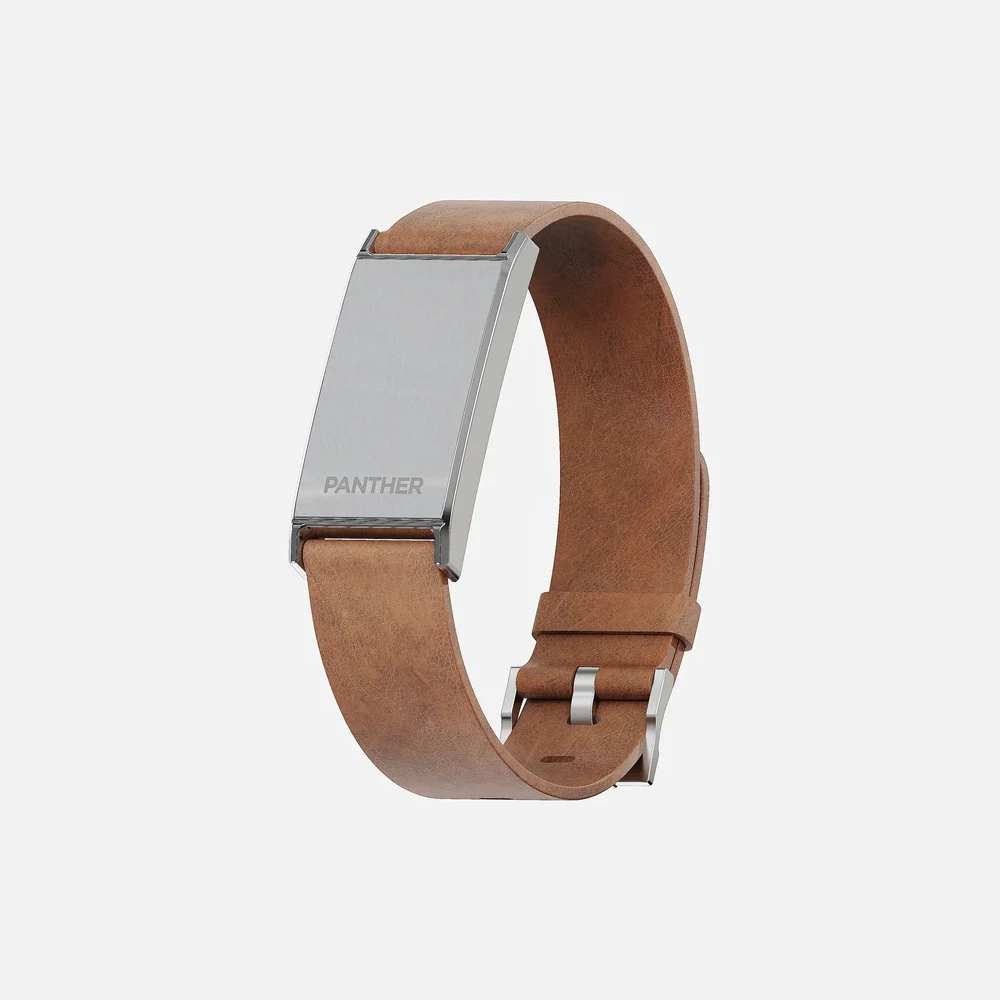
Then a new brand turned up that fixed the actual problem instead of asking me to live with it. Panther took the screen out completely, machined the sensors into a solid block of Swiss-grade steel, and killed the subscription. A health tracker built to sit beside a real watch, not replace it.
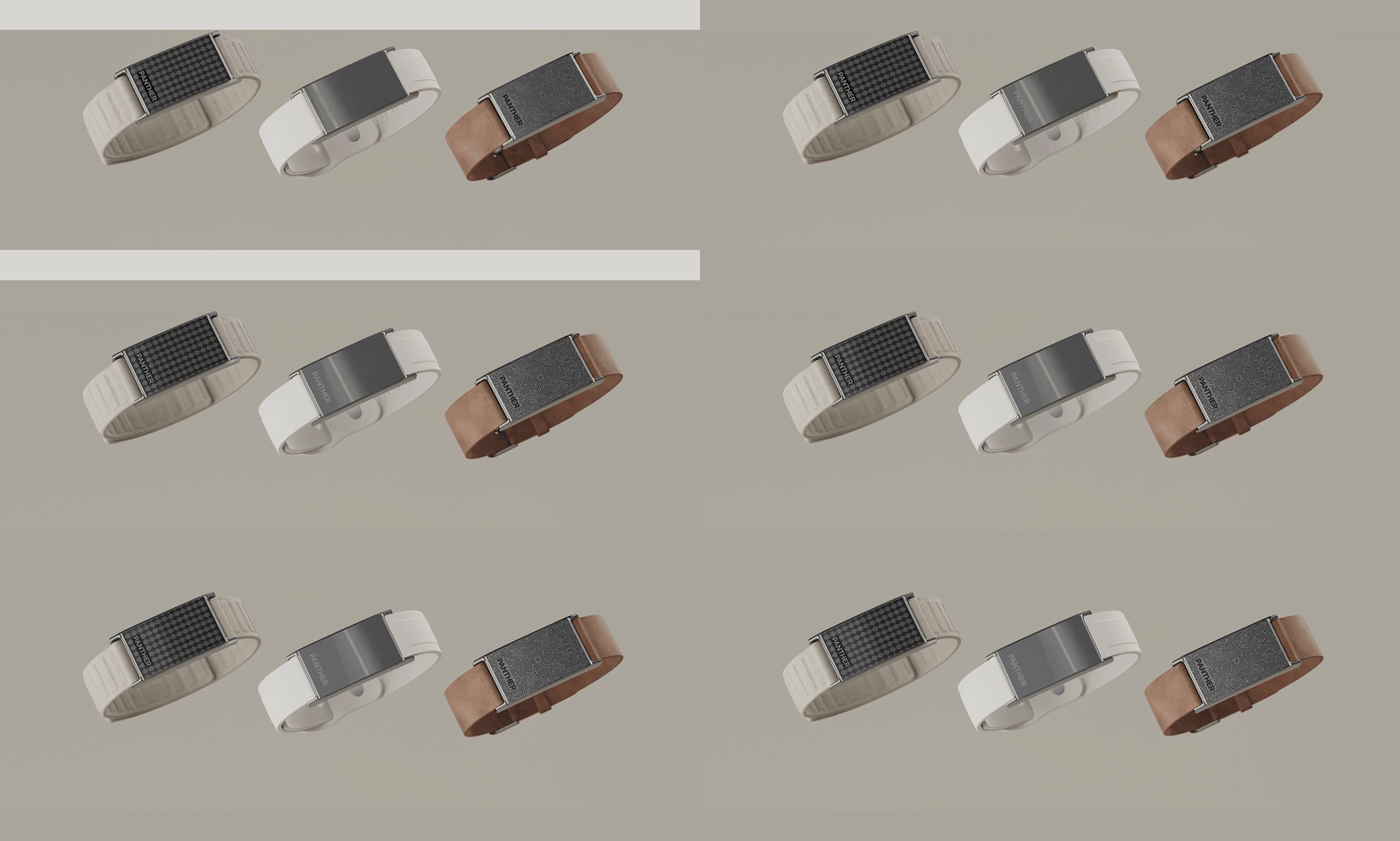
It clearly looked the part. My only questions were whether a screenless steel band could actually track anything worth knowing, and whether "no subscription" was a catch I just had not found yet. So I put it on.
- No subscription: You buy it, you own it.
- Premium aesthetic: Looks better than any other wearable on the market.
- Swiss-grade steel: Designed to sit beside a fine timepiece.
- 15-day battery: Charge twice a month, not every night.
- Distraction-free: Core health metrics and silent alarms with zero screens.
High-Quality Steel, and Nothing to Swipe
My thumb went to swipe the face. There was nothing to swipe.
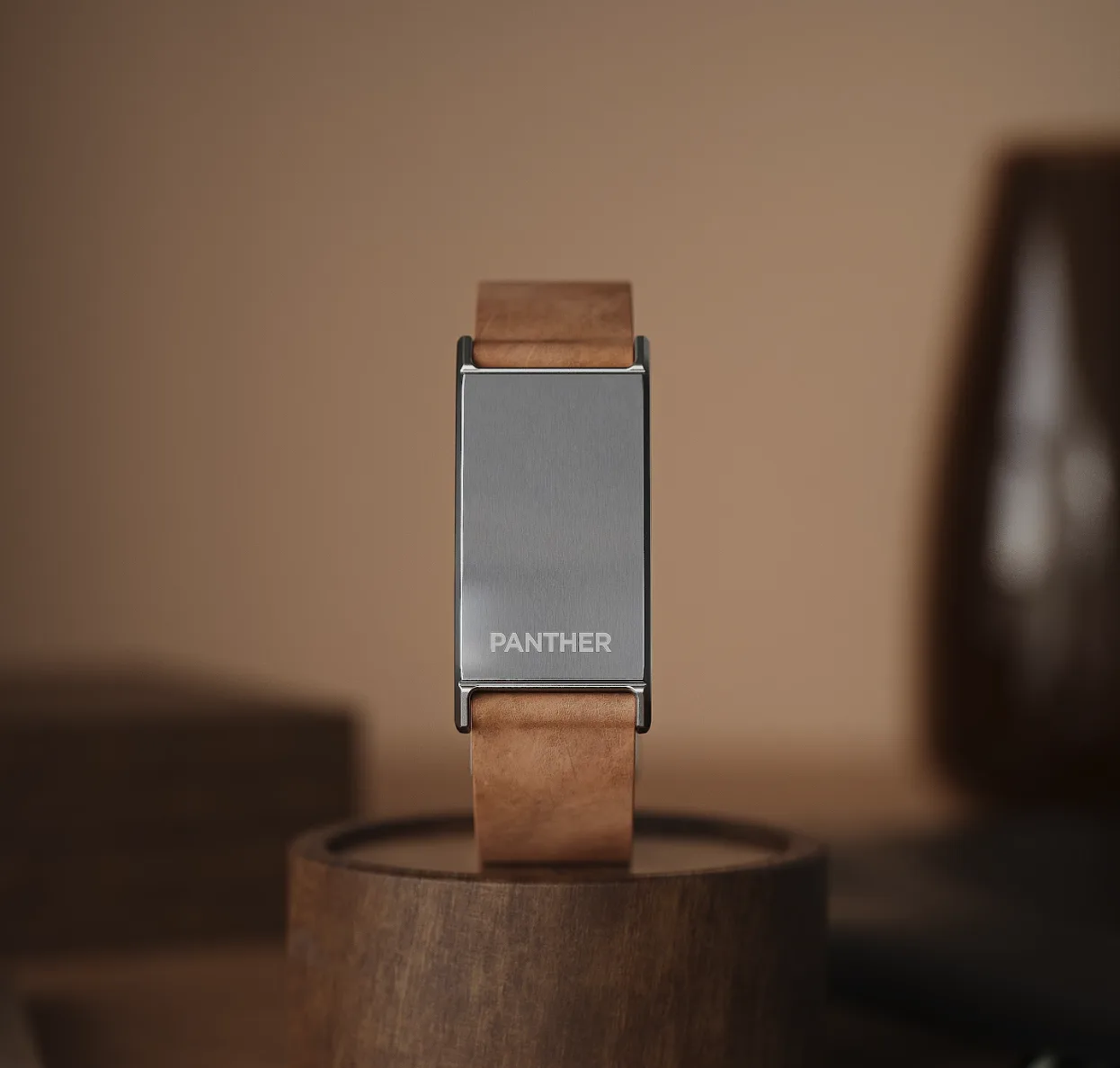
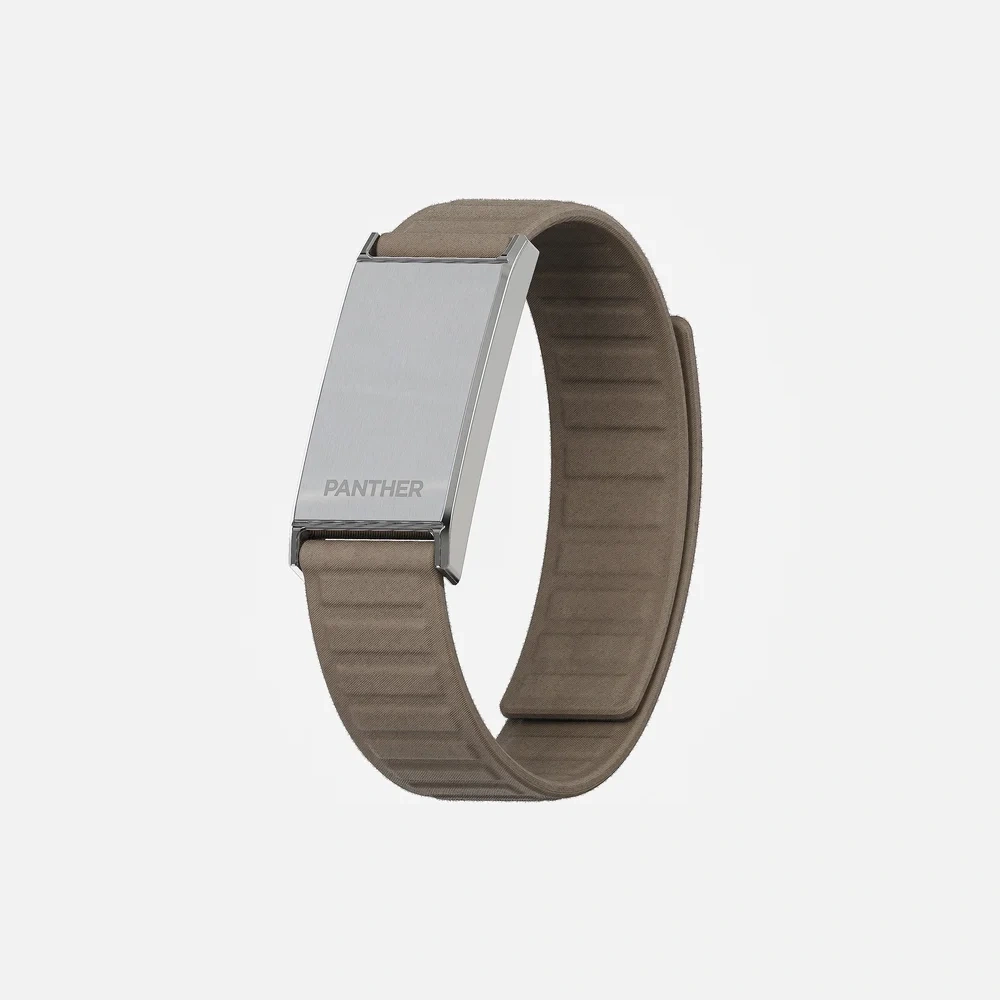
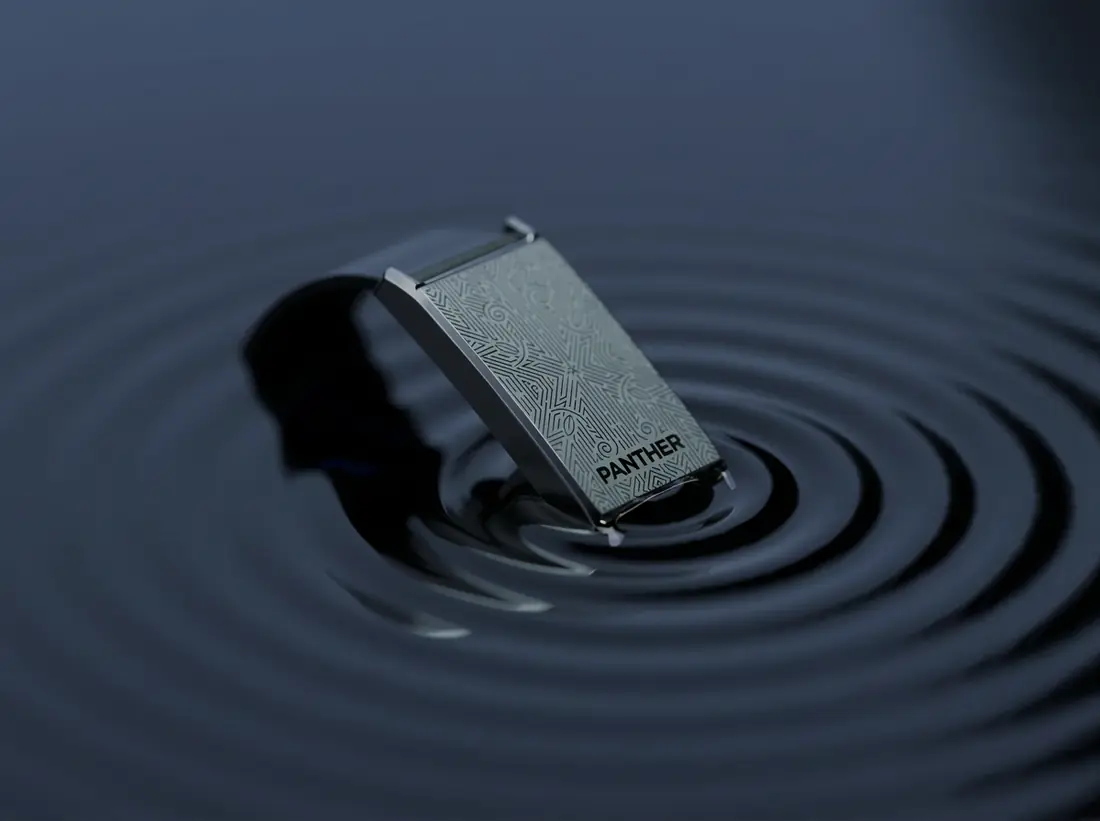
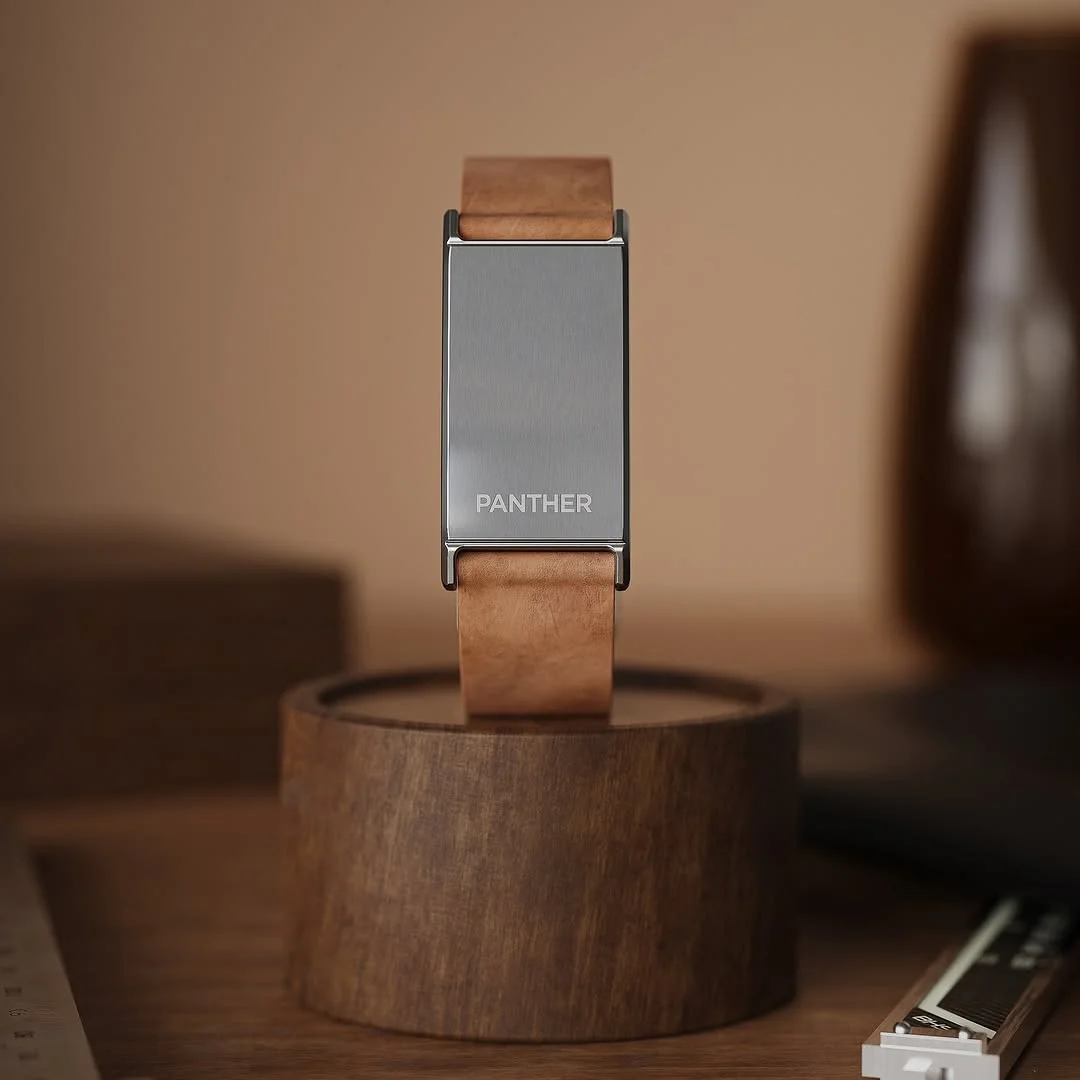
The front of the Eclipse is a solid, sculpted block of brushed steel with hard, angular lines. No display. No pixels waiting to light up. It catches light the way a watch case does, not the way a phone does.
Then I felt the weight. This is the part the spec sheet undersells. It has the cool, deliberate heft of a real timepiece, not the hollow click of plastic.
It is the thing people mean when they say they want a tracker that "looks like jewelry and not like a fitness tracker at all," instead of the kind one reviewer wrote off as "plastic and cheap, not something I'd have on my wrist constantly."
It feels like something you would keep, not something you would replace in two years. That, as it turns out, is the entire point.
People Have Been Asking for This for Years
And it turns out I am not the only one. Spend any time in the watch forums and you find the same request, made over and over, for years:
"I am looking for a very discreet tracker band with no real 'watch face' ... and does not use a subscription."
"Something small I can wear opposite to my watch ... easy and simplistic. The advanced bulky ones are already out there."
"I would prefer to wear something minimalist, without a screen ... so I can wear my watch on the other wrist."
"I want my watch to look smart, not be smart. I have enough bloody gadgets as is."
For years the answer was "that doesn't exist, strap a fitness band to your bicep." Panther finally built the thing people kept describing. So the rest of this review is really one question: did they build it right? That starts with what it is made of.
Not a Smartwatch. An Instrument Built to Watch Standards.
The Eclipse only clicked for me once I stopped measuring it against smartwatches.
It is not built to that brief at all. It is closer to a wellness instrument made to the standards of horology than to consumer electronics, and the build is where you feel it.
A watch person reads a spec sheet differently. We do not care about app-store counts. We care about what the thing is made of and whether it still looks right in three years.
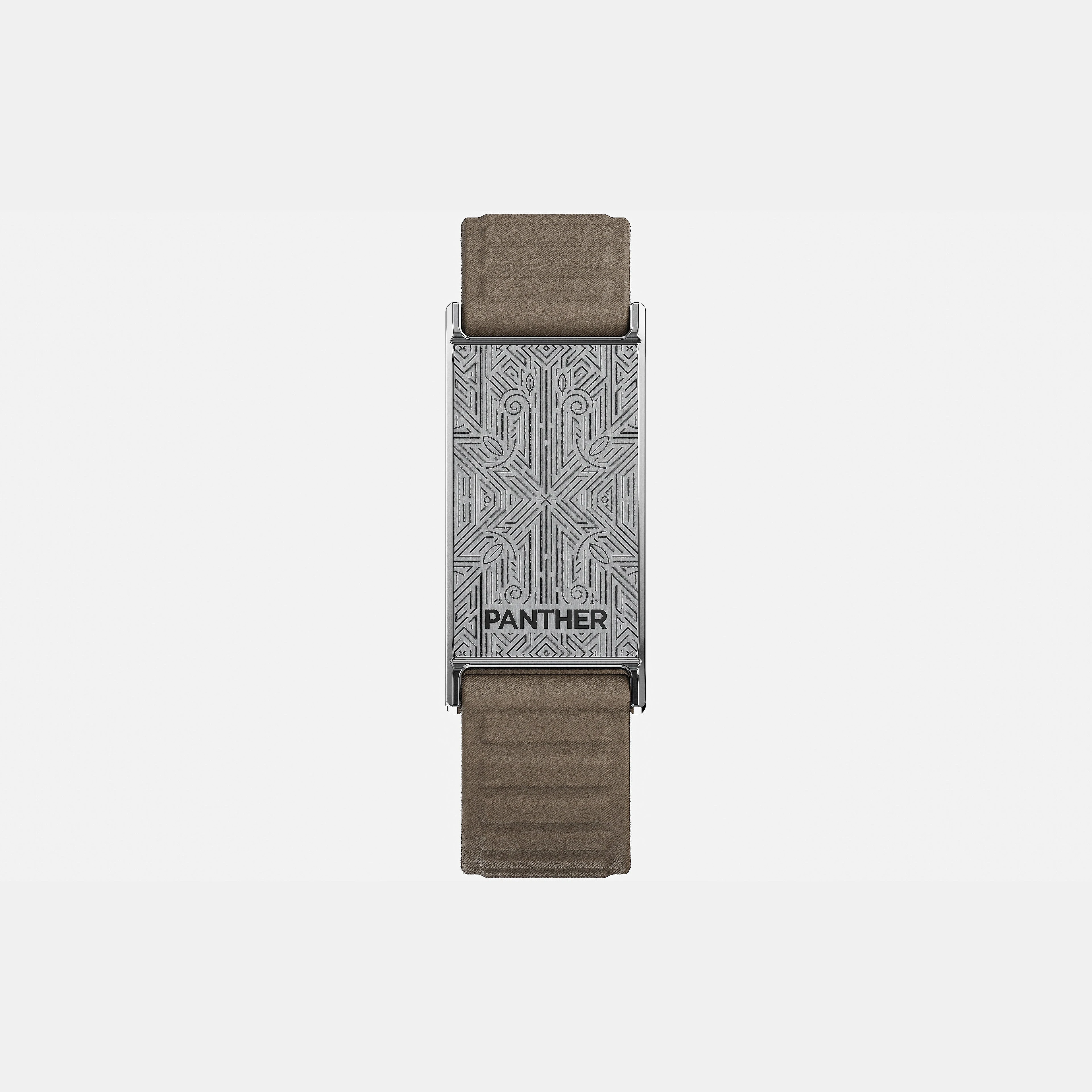
So: the case is machined from solid 304L stainless steel, the Swiss-grade alloy, and it is solid, not plated. Plating is exactly what burned the early luxury-tracker crowd, the smart-ring owners furious that their "gold" finish "faded to silver like a cheap toy from a dollar store" inside a year.
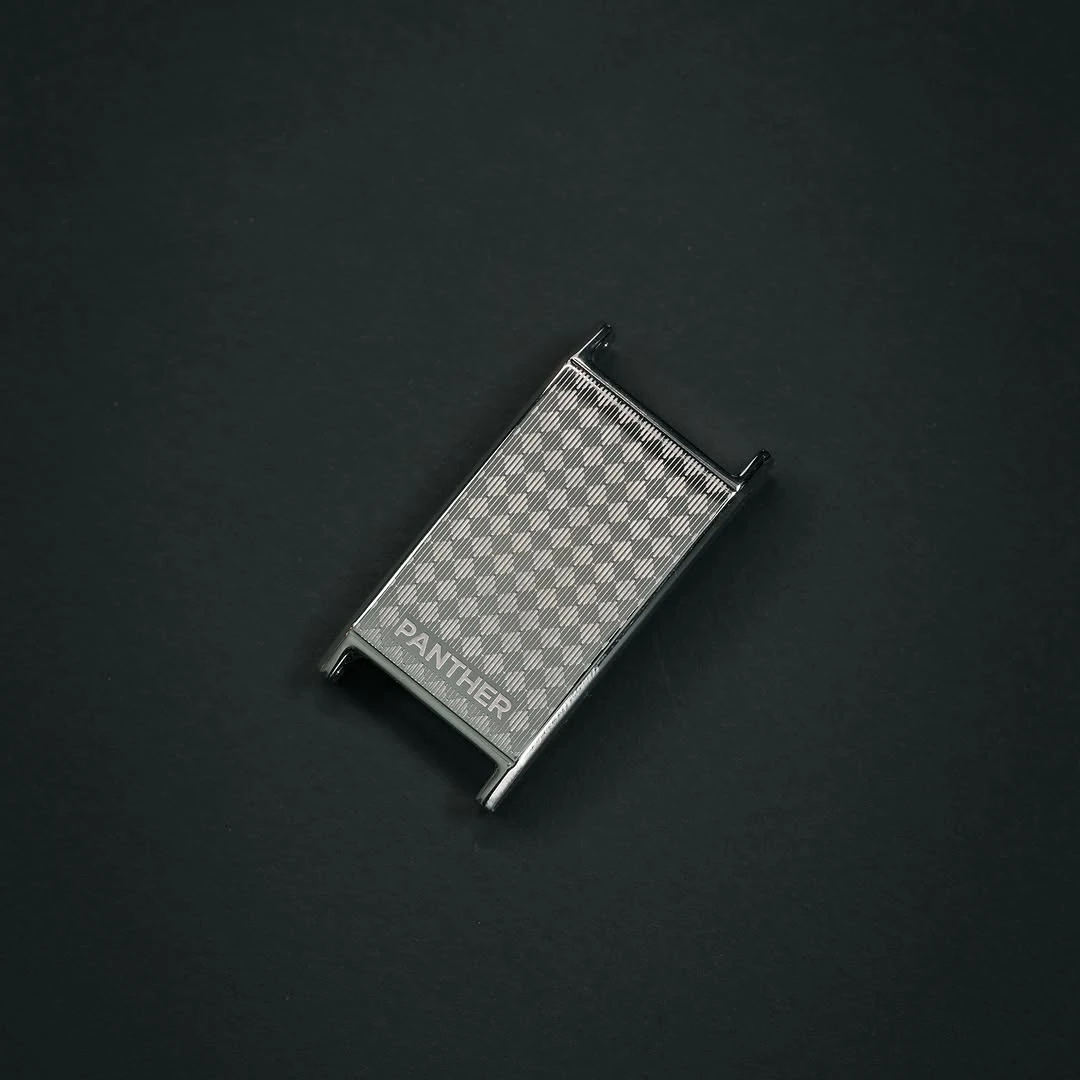
Solid steel has no coating to wear off. The battery runs about fifteen days, so you are not building your night around a charging cable. It is IP68, so showers and swims are fine. And with no display draining it, that battery and your attention both last.
| Feature | Panther Eclipse | The standard smartwatch |
|---|---|---|
| Material | Solid 304L Swiss-grade steel + leather | Plastic / aluminum, plated finishes |
| On the wrist | ||
| Battery | ~15 days (charge twice a month) | Nightly charge |
| What it costs you | $299 once, no recurring fees | A subscription, or replaced every few years |
| Beside a real watch |
You Own It, the Way You Own Your Watch
There is one line on the Eclipse's spec sheet no luxury smartwatch can match. It costs nothing per month.
You buy the Eclipse once, for $299, and you own it. Full access to the app, no membership, no features locked behind a paywall, no monthly bill standing between you and your own sleep data. That sounds like a low bar only because the rest of the category quietly normalized renting you back your own numbers.
This is the part that should matter to anyone, watch person or not. The going model in wearables is what Panther bluntly calls "subscriptions disguised as hardware." Take the one everyone knows. A Whoop runs about $239 a year, every year, and the day you stop paying it stops working. Wear it three years and you have handed over more than $700, with nothing to keep but a dead band. The Eclipse is $299, once. Year two is free. So is year five.
As one long-time user described the model: they "are not in the business of selling health monitors, they are in the business of selling subscriptions." Another watch guy was blunter about why it grates: subscription-based hardware is "a hard no for me. I almost find it insulting."
Because this was never really about the money. A man who owns a watch he loves already knows the difference between an investment and a rental. You do not lease a watch. You should not have to lease the tracker that sits beside it. Pay once, own it, and be done.
“You do not lease a watch. You should not have to lease the tracker that sits beside it.”
The Data: Four Scores You Read in Five Seconds
Good looks and a fair price are easy to promise. The data is usually where these things fall apart. So here is what surprised me, because I came in skeptical: for an instrument with no screen, it does not skimp on what it measures. It just refuses to drown you in it.
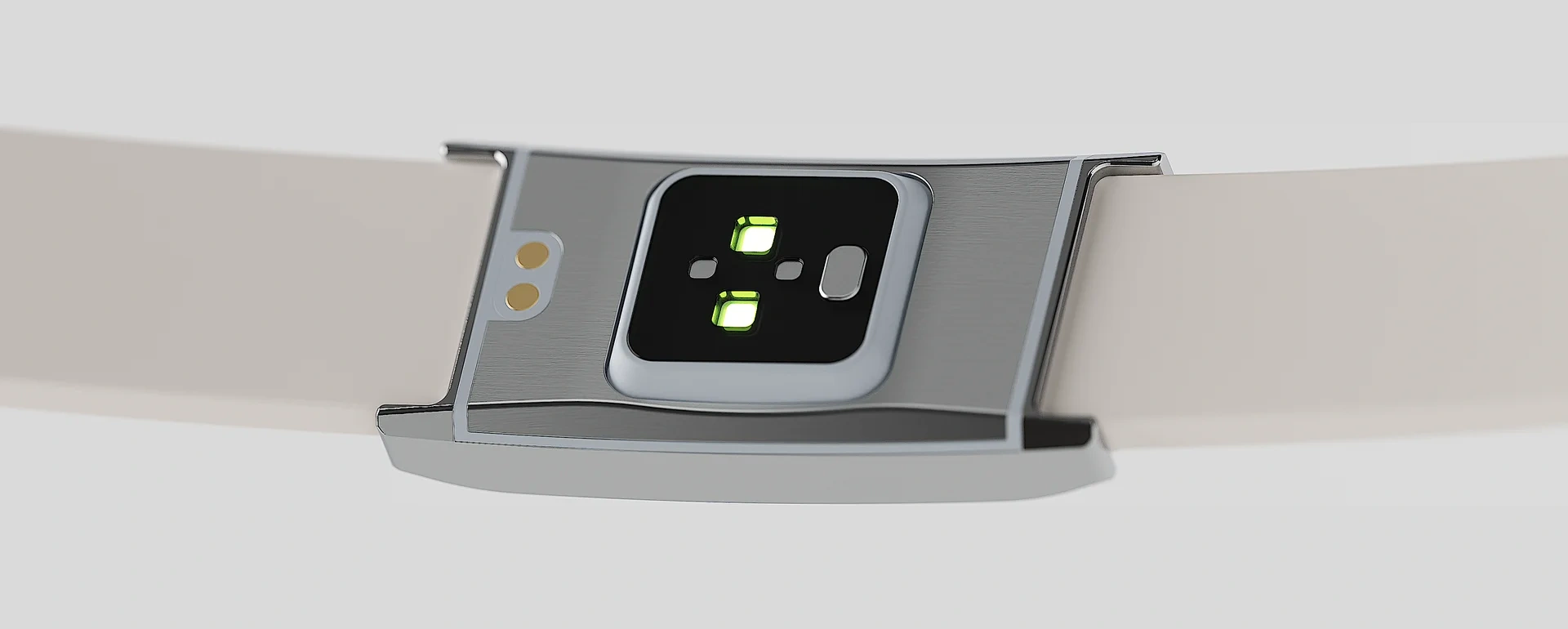
It tracks everything the plastic slabs do, and a little they don't: heart rate, HRV, blood oxygen, skin temperature, sleep, recovery, over fifty kinds of workout, even blood-pressure insights most wrist trackers do not attempt. The difference is what it does with all of it. The raw numbers stay in your phone until you actually want them, and on your wrist you get four plain-language scores. The data, without the digital leash. And it is not only my read: an independent reviewer who wore the Eclipse next to a Garmin for two weeks found the numbers "right around the same ballpark."
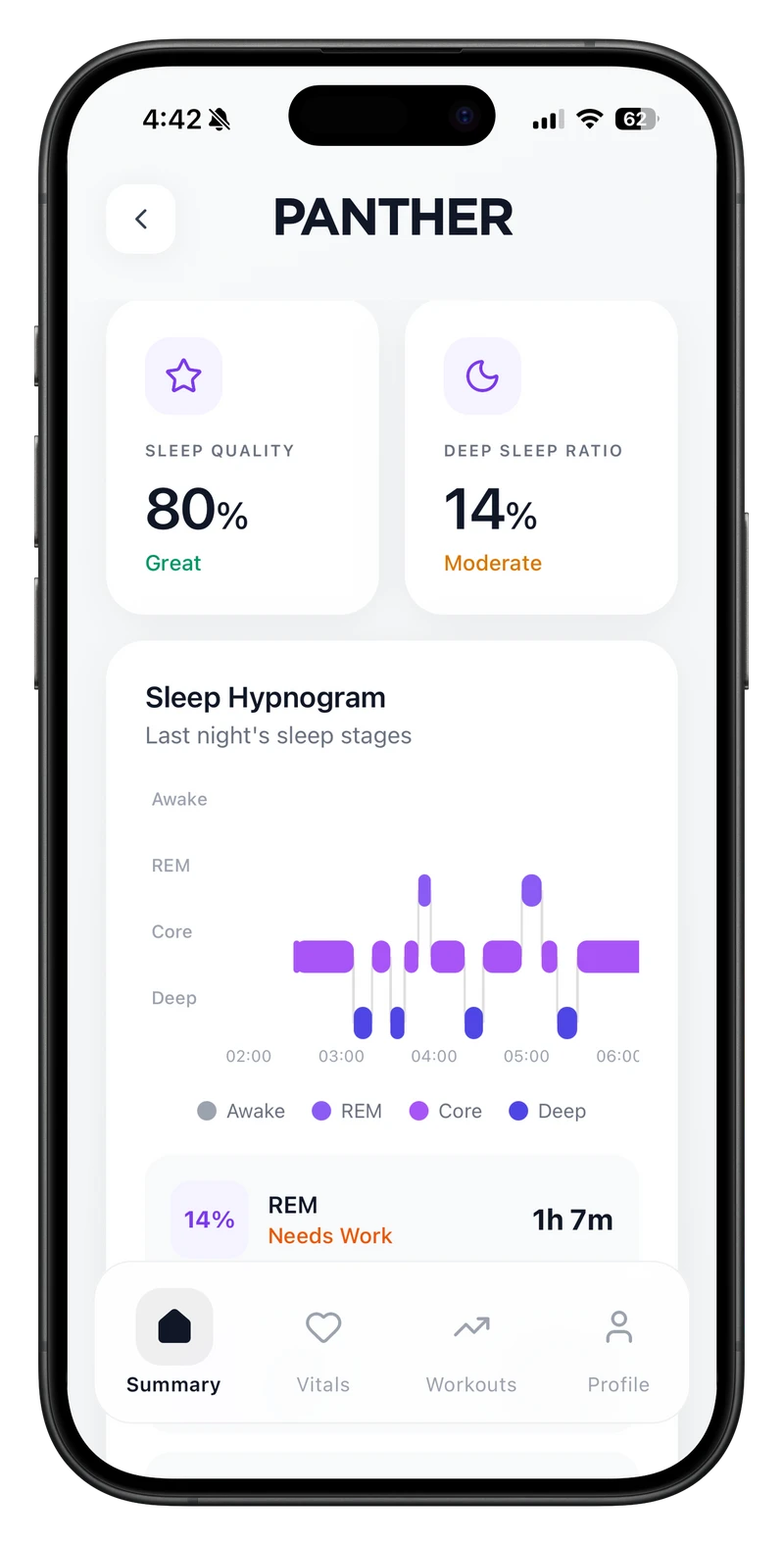
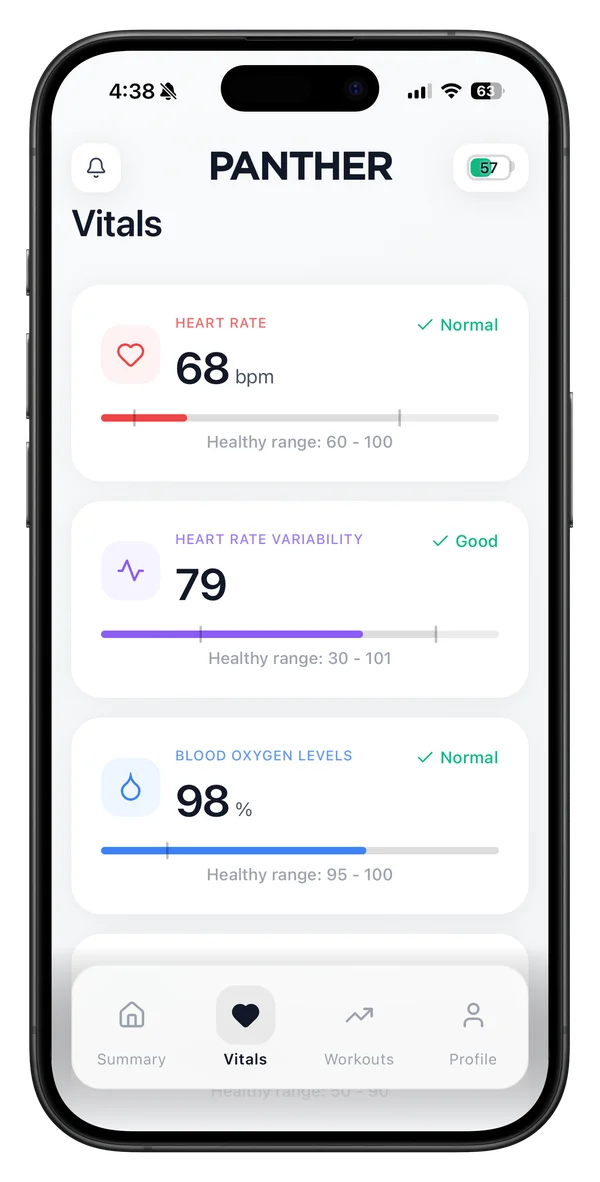
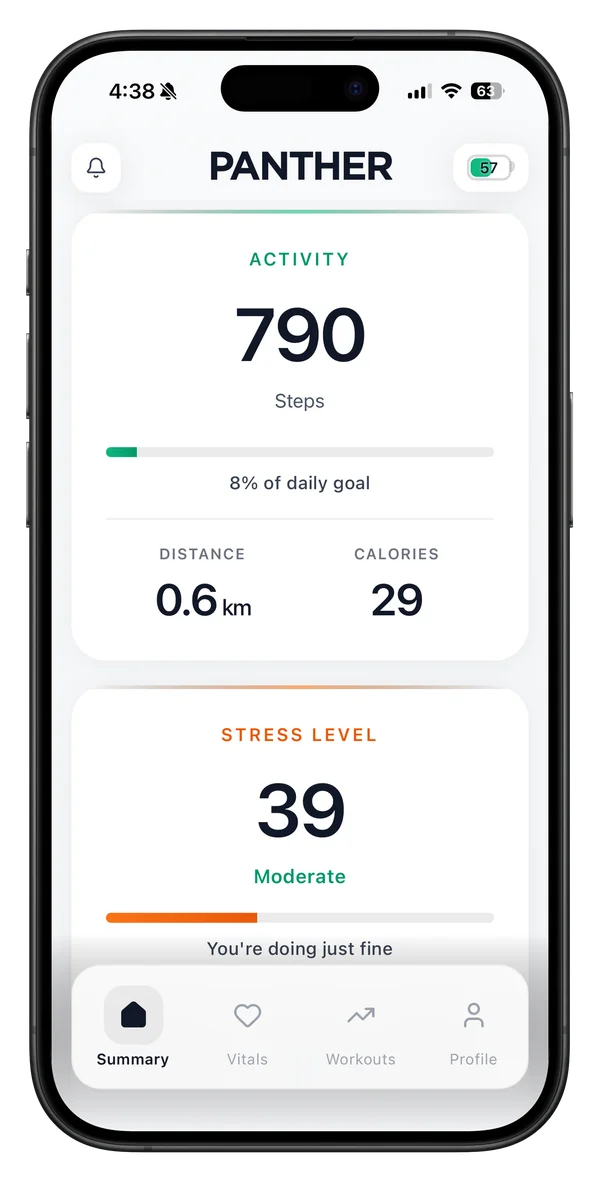
Two of those scores did the heavy lifting for me.
Sleep is the one I keep coming back to. It tracks your stages, but the part I actually use is the way it holds a mirror to your habits. You see the late dinner or the second glass of wine sitting right there in the next morning's numbers. That did more to change what I do at night than willpower ever did.
Recovery is the morning read: one score, about five seconds, telling me whether to push today or ease off. Your baseline tends to drift before you feel anything, and on two mornings it had me ease off a day before a cold actually landed. People who wear these call that early heads-up the thing they would not give up.
The rest runs quietly in the background. It logs your steps and your Saturday bike ride without you thinking about it, and it tracks your stress through the day so you can look at it on your own terms. It does not buzz your wrist mid-meeting to tell you to breathe. The only taps you ever get are the ones you choose: a call, the alarm, or nothing at all.
A Week on the Other Wrist
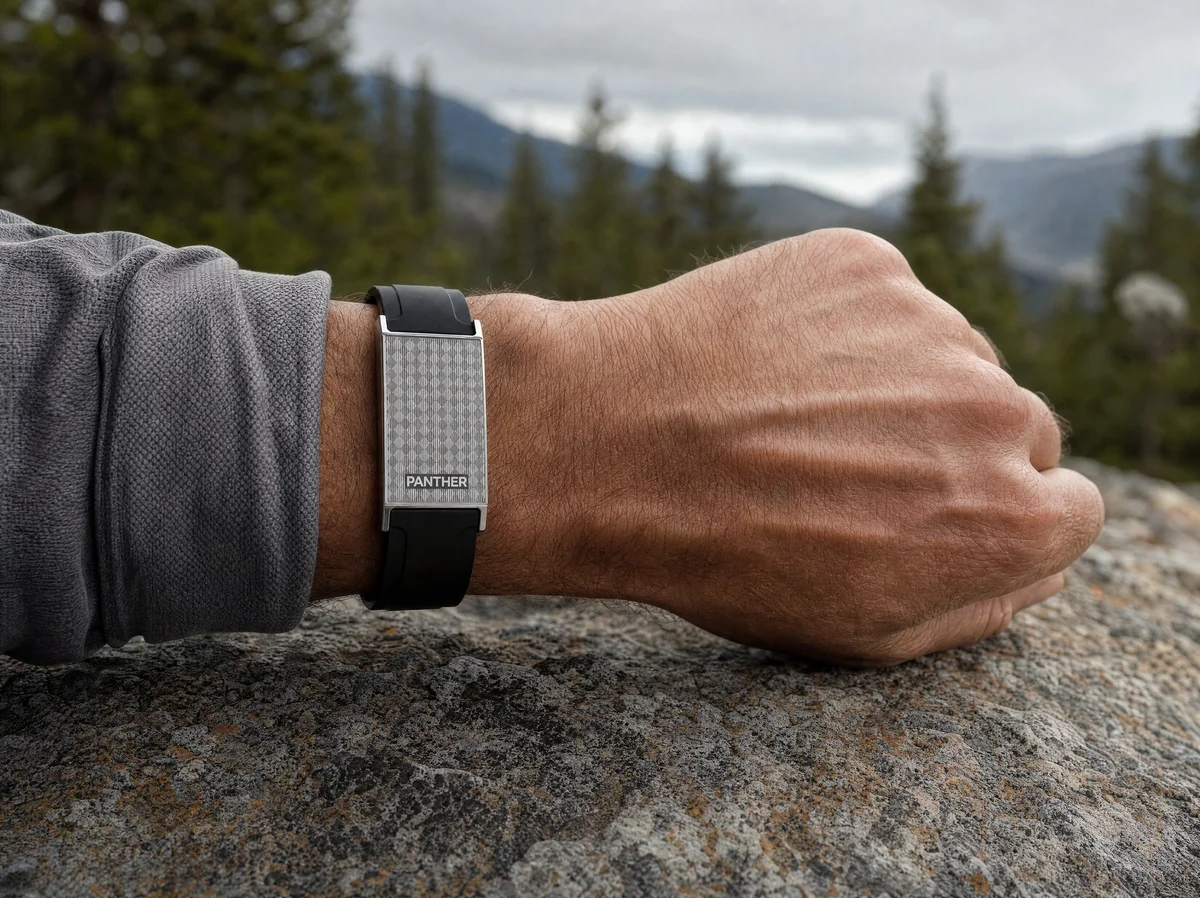
I wore the Eclipse for two weeks. My automatic stayed on my left wrist the whole time, exactly where it belongs.
What I noticed first was what didn't happen. No raised-wrist reflex. No glance that turned into five minutes lost to a screen. I stopped noticing the Eclipse was on at all, which is the highest compliment you can pay a wearable. It is what people describe when they go screenless: "you forget that you're wearing it."
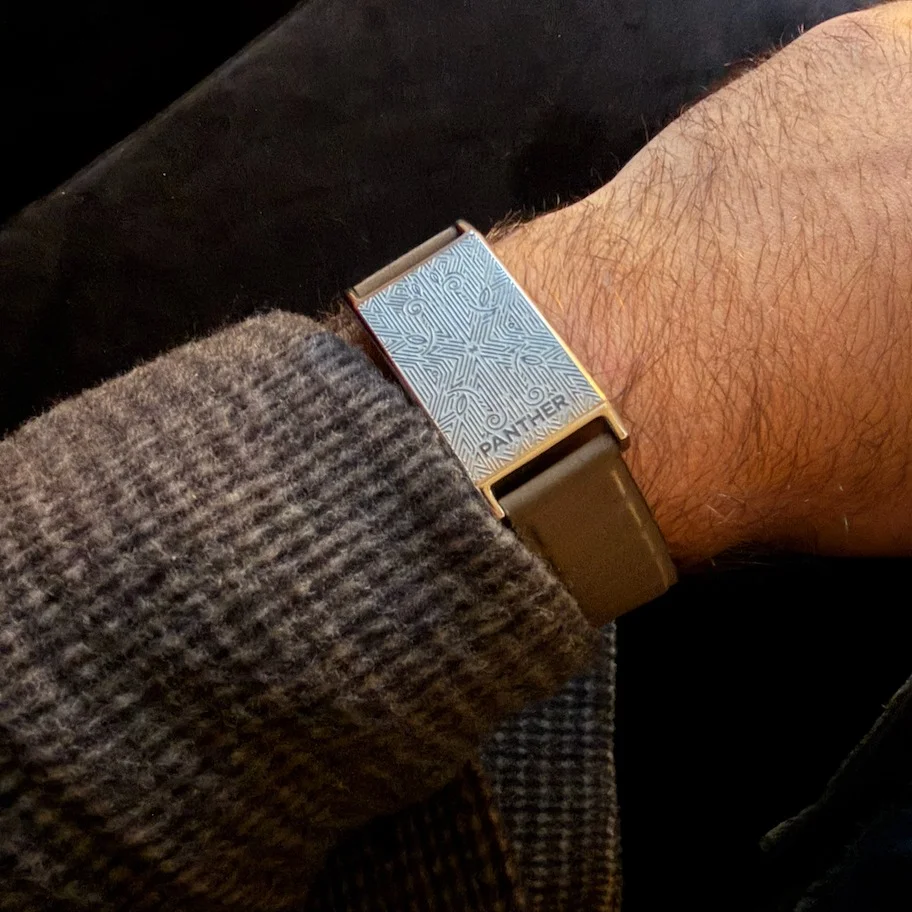
My phone time dropped, too. One guy described the exact shift after ditching his smartwatch: "it's nice not looking at my watch every 2 seconds because of a notification. Find myself having a lot less screen time now." Same for me. Dinners stayed dinners.
And every morning I opened the app, read four scores in about five seconds, and got on with my day. The data was there when I wanted it and silent when I didn't. For the first time in three years, the thing on my right wrist was not a compromise I hoped no one would notice.
What Other Reviewers Found
I half-expected to be the only one charmed by a screenless steel band. I was not. The independent reviewers who put the Eclipse through its paces kept landing in the same place.
"It's very well-designed, completely made out of stainless steel... it really looks great. It's very solid, but at the same time it's not heavy. I barely feel it when I'm wearing it. If you're looking for a device that tracks all those metrics and looks nice on your wrist, I could easily recommend the Panther Eclipse."
"The stainless steel face is beautiful and really well-crafted."
Three Ways to Wear It
Because the face and band come apart, the Eclipse changes register with your wardrobe the way a watch does with a strap swap. With 3 distinct case styles and 3 band options in curated colorways, you have 36 unique combinations to configure your look.
Choose Your Face
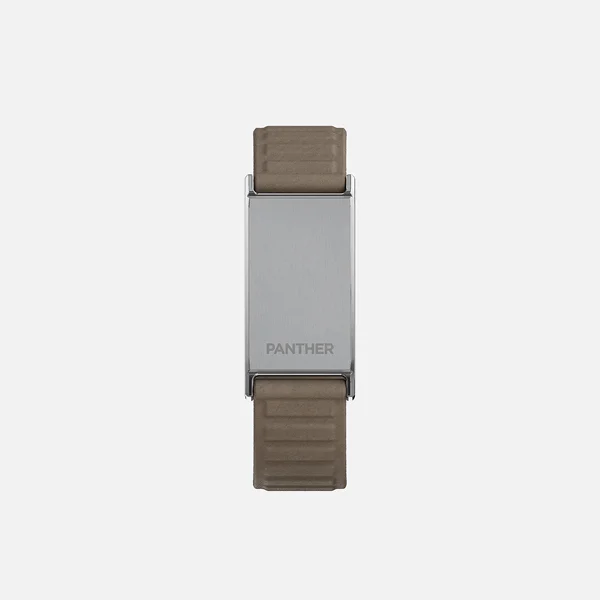
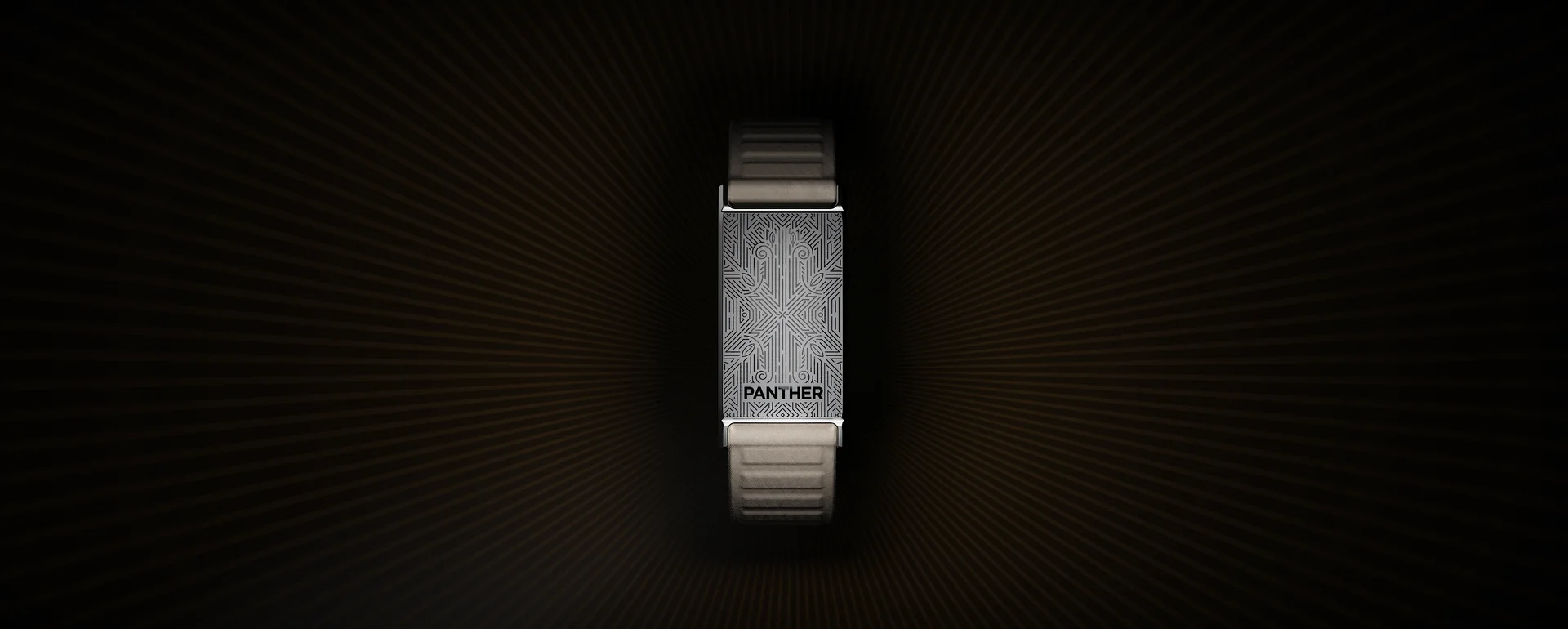
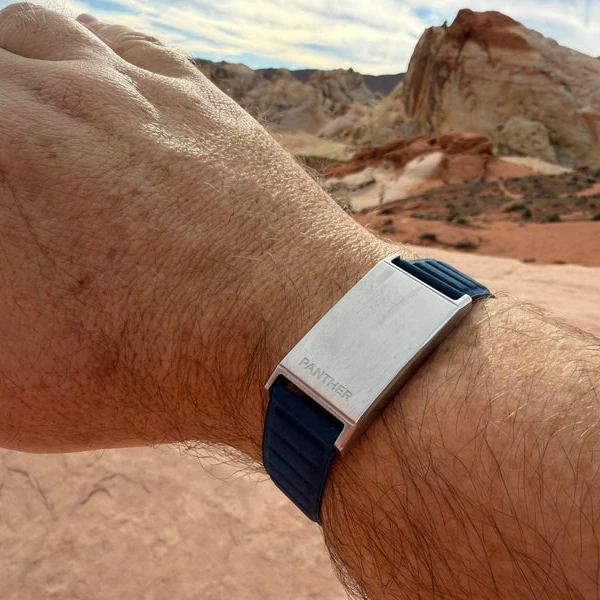
Machined from solid steel case, hand-finished. Classic watch finish.
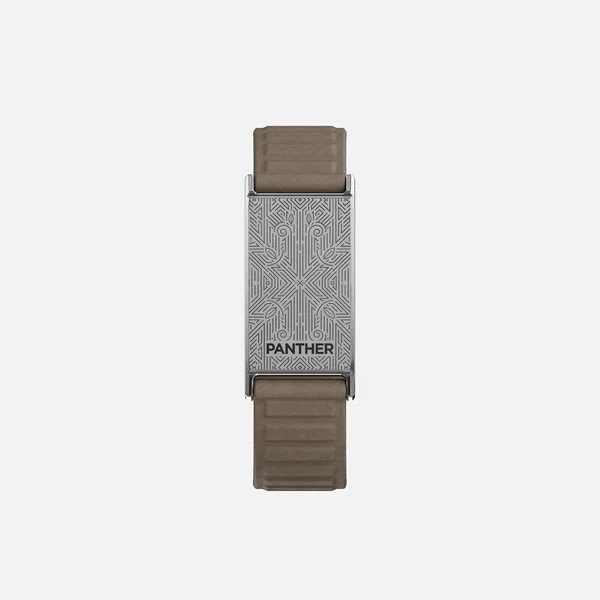
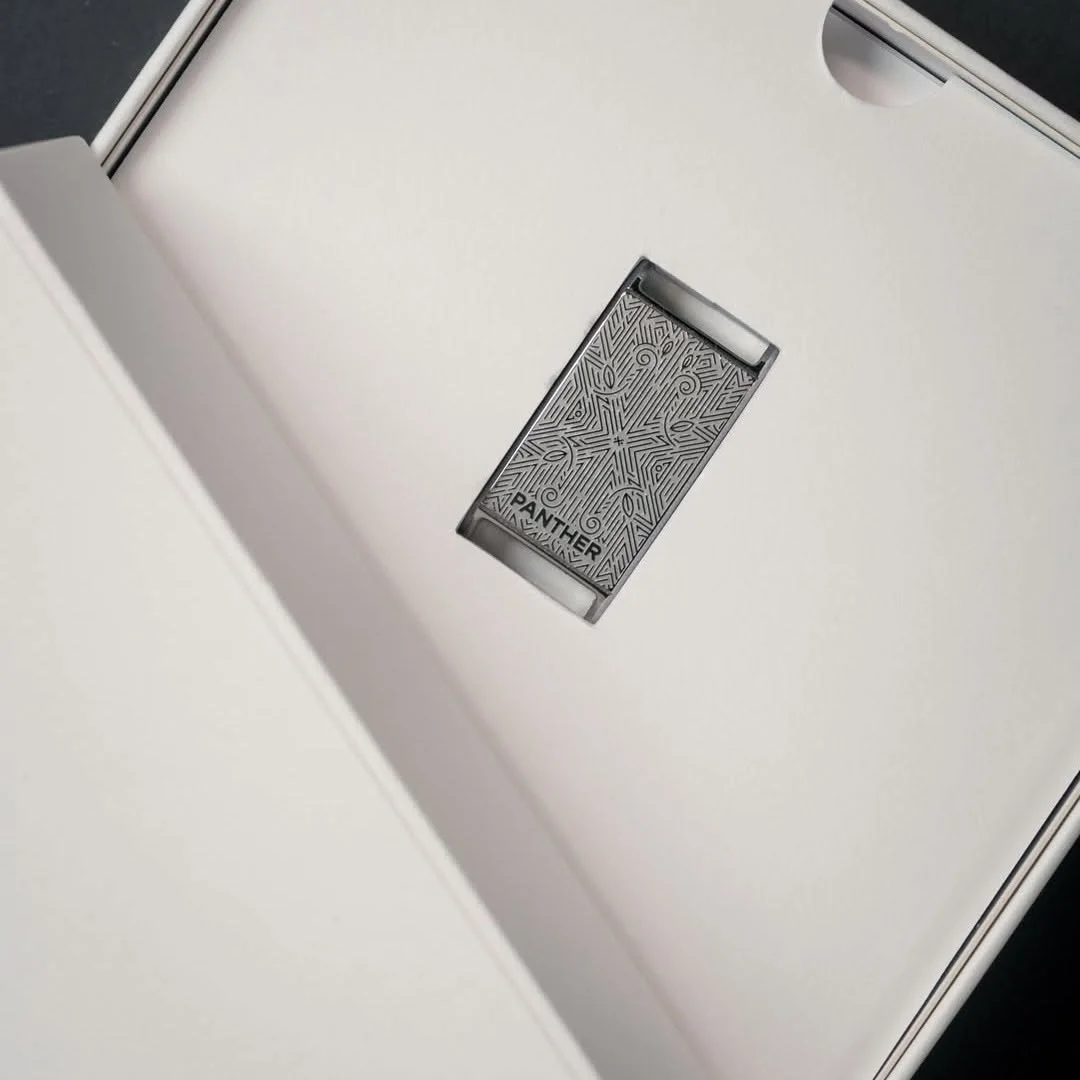
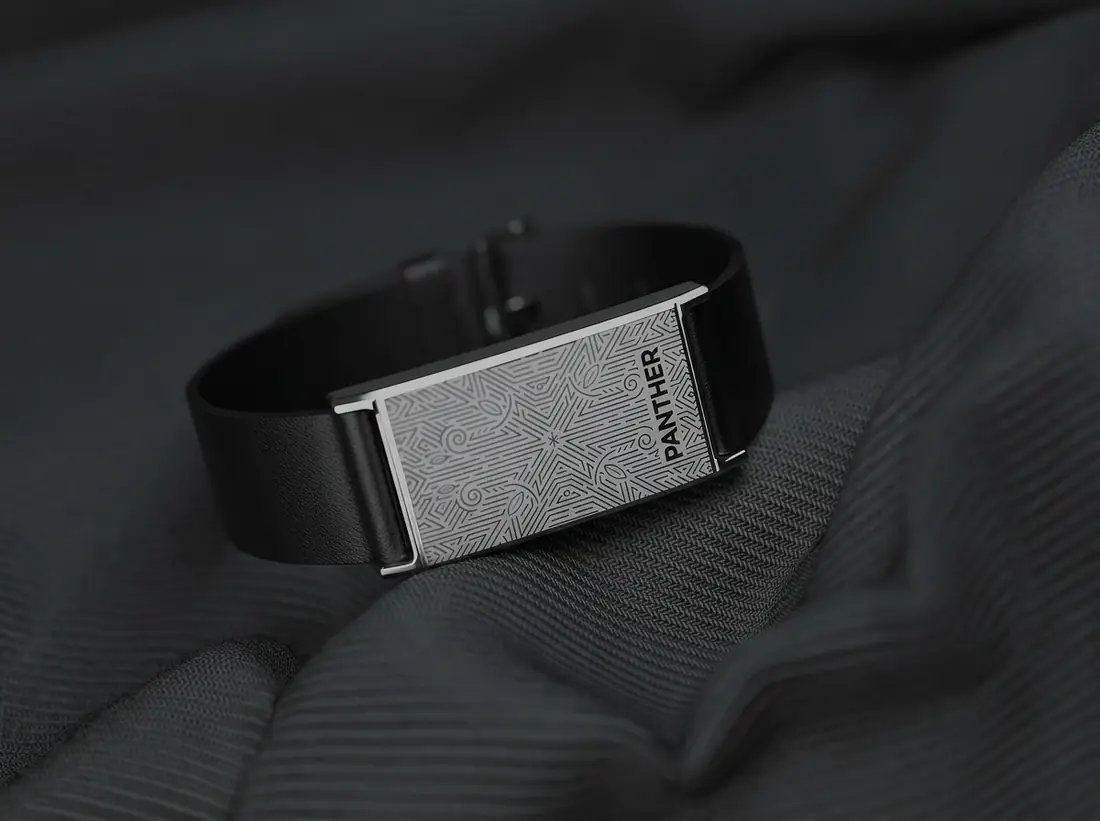
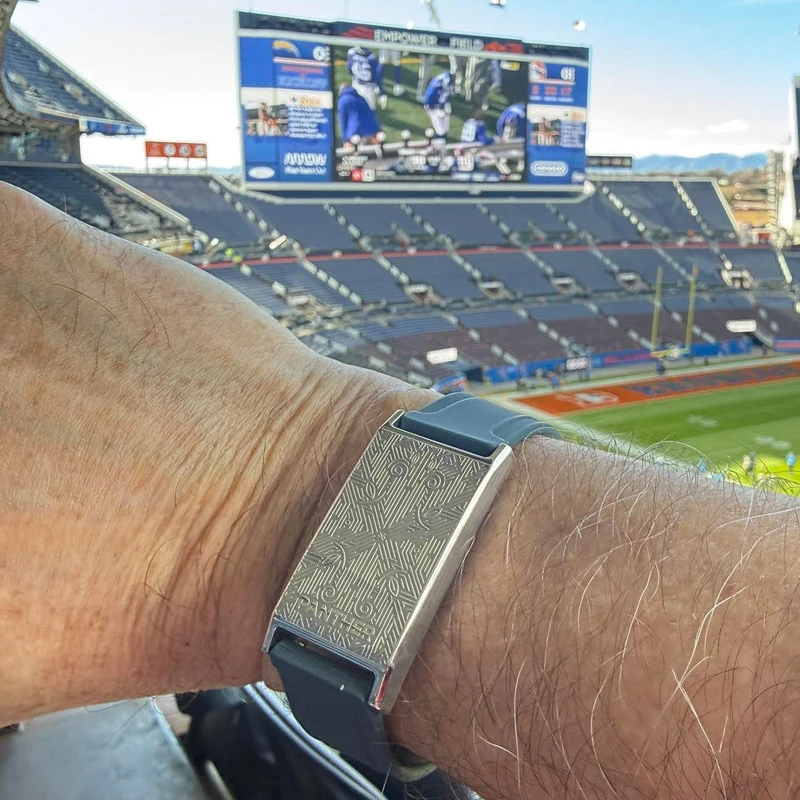
Machined from solid steel case, engraved with geometric art-deco patterns.
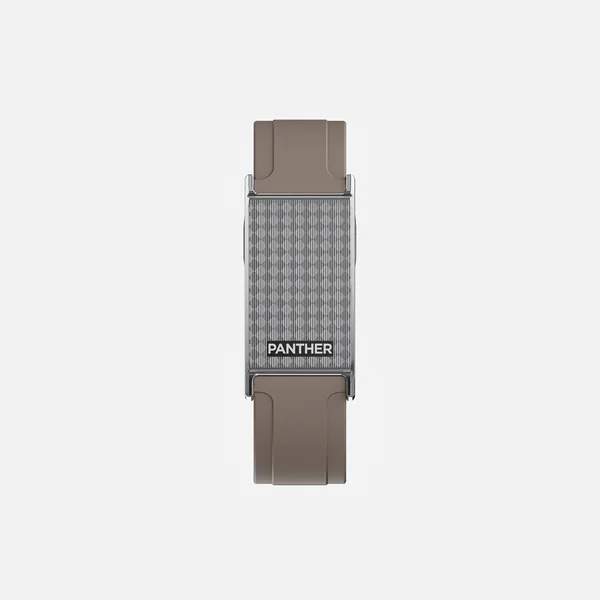
Machined from solid steel case, engraved with detailed diamond knurling textures.
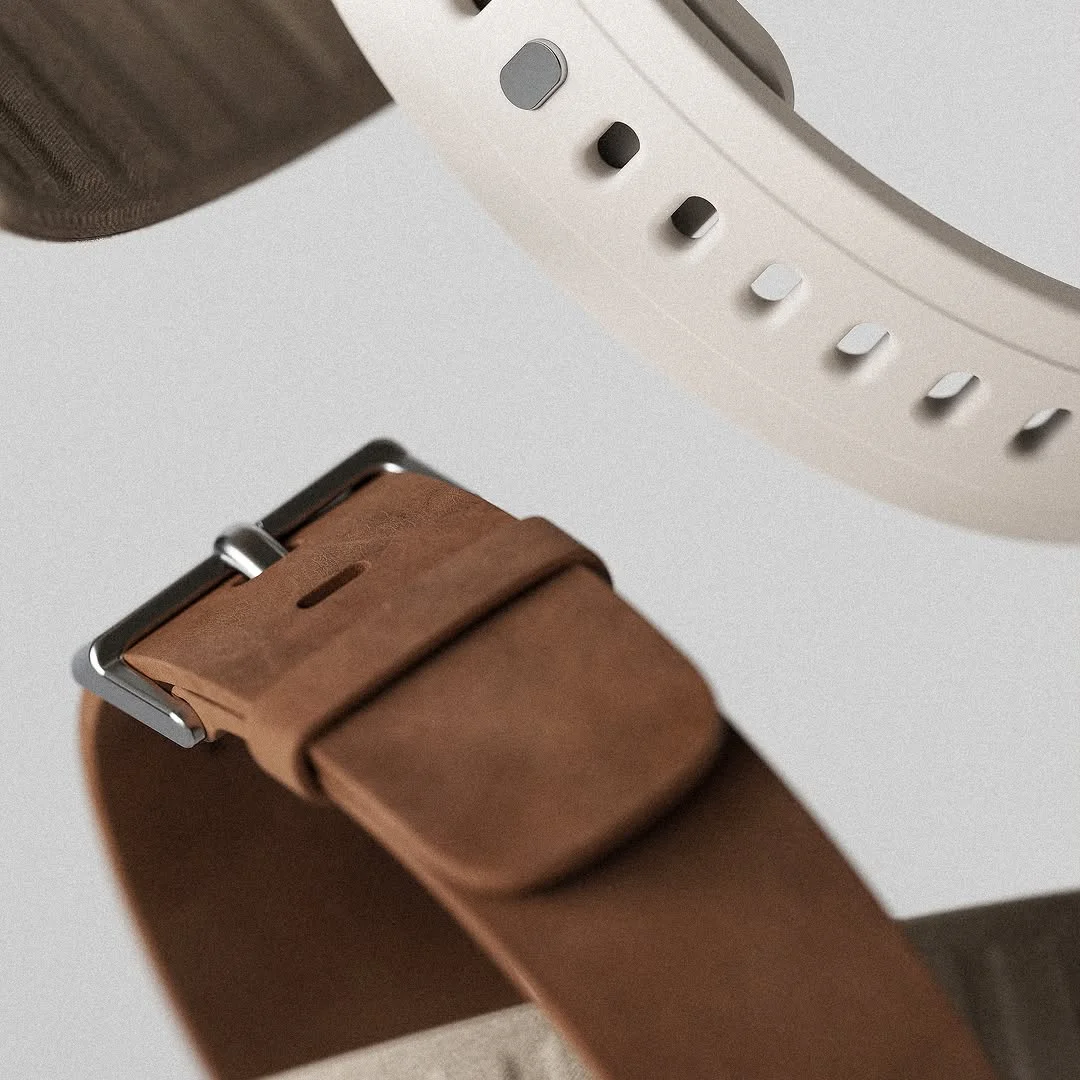
Choose Your Band
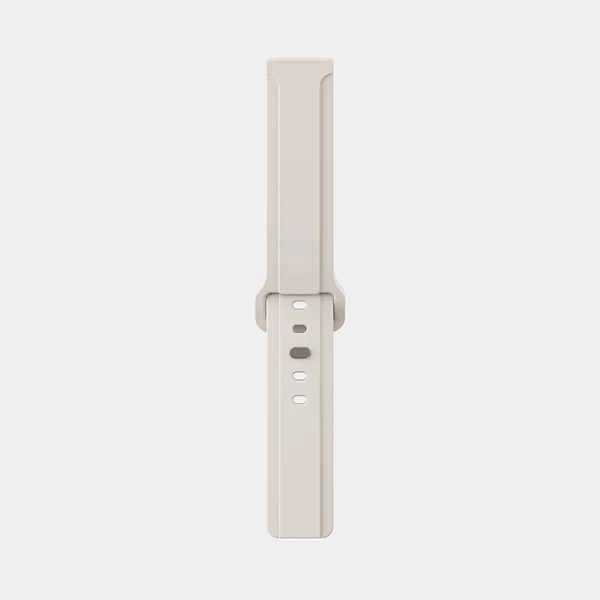
Gym and weekend. Sweatproof, quiet, and sporty.
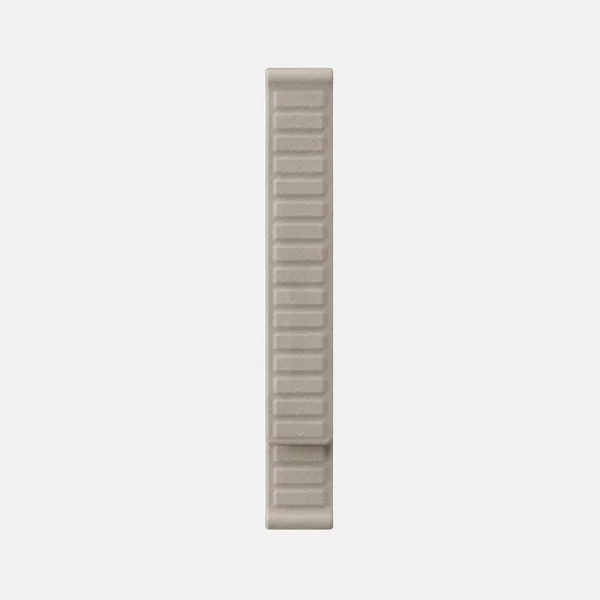
Off-duty and travel. Woven, light, and easygoing.
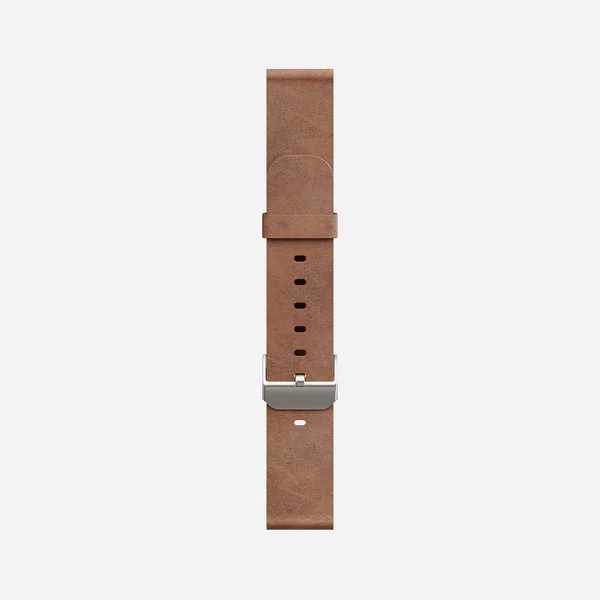
Office and dinner. Patinates beautifully as you wear it.
Worn Everywhere
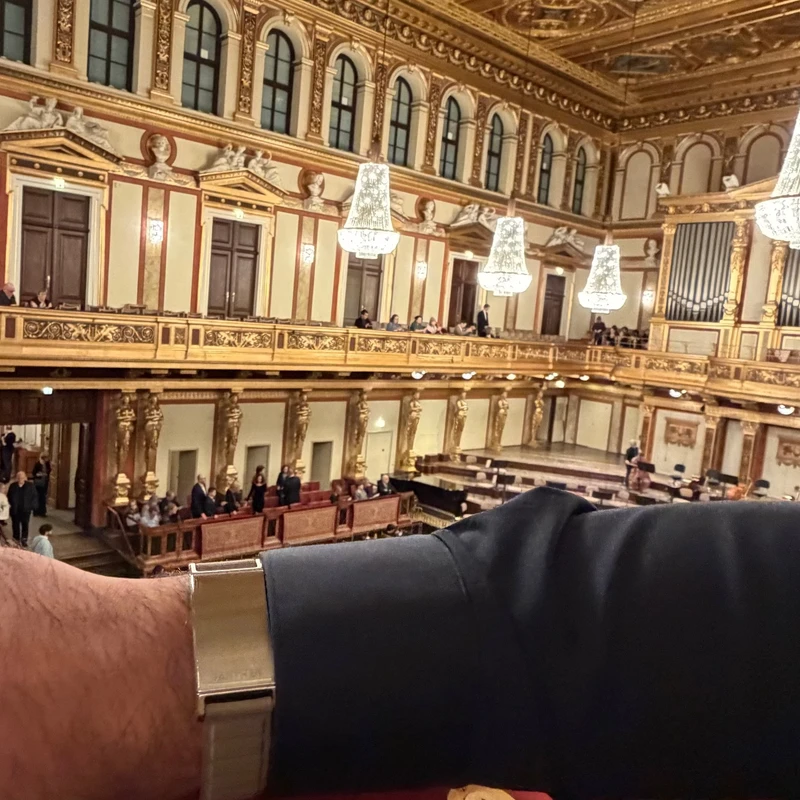
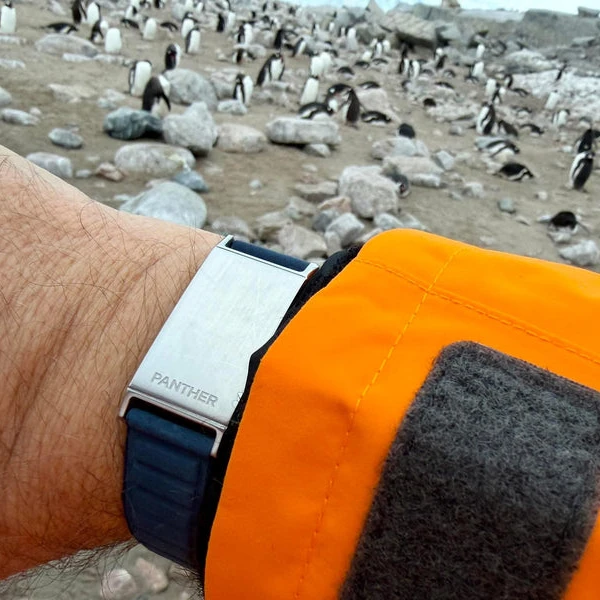
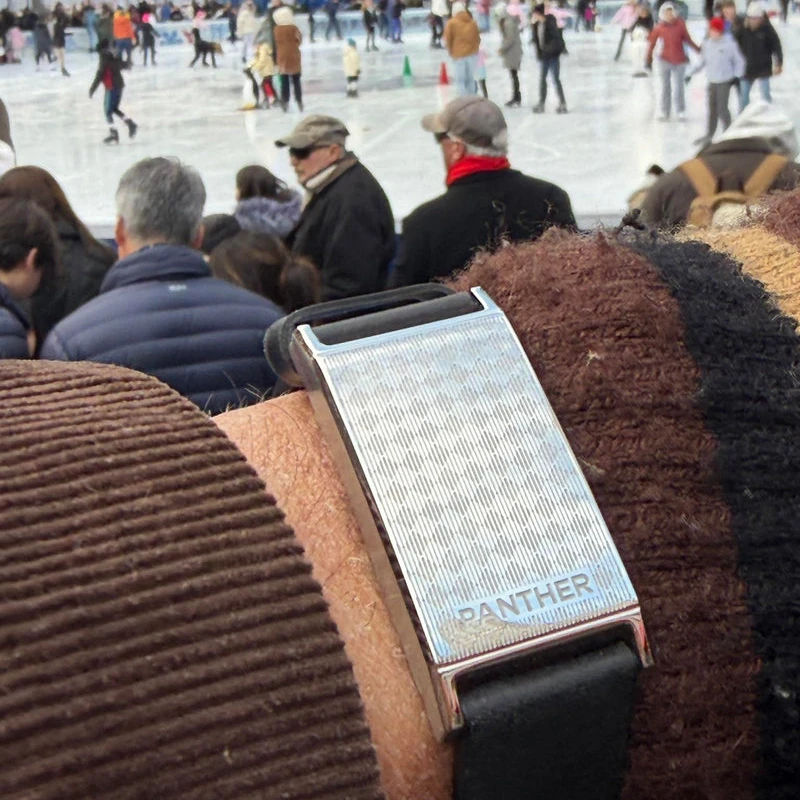
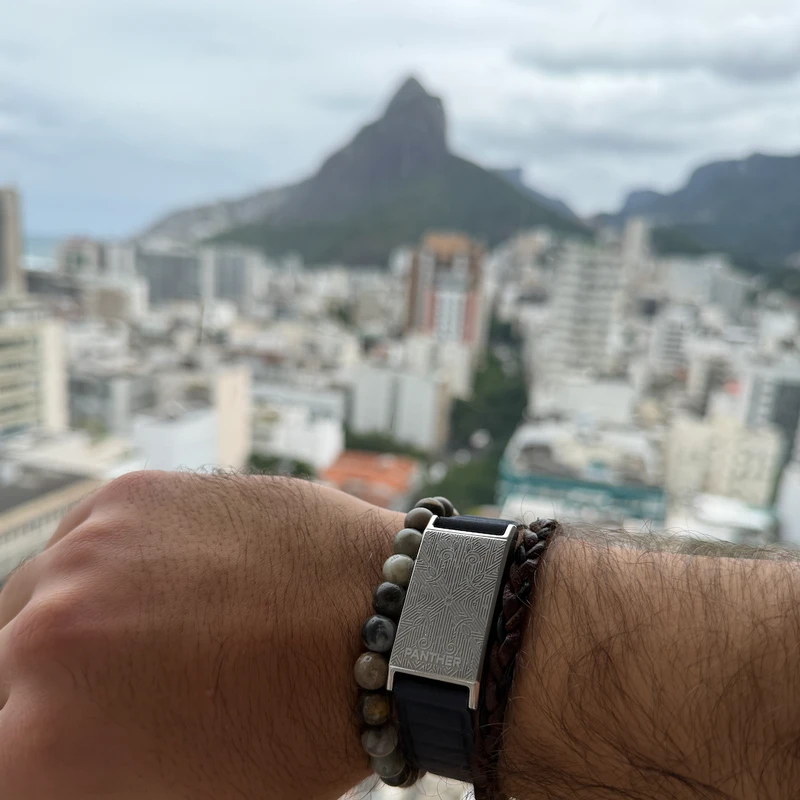
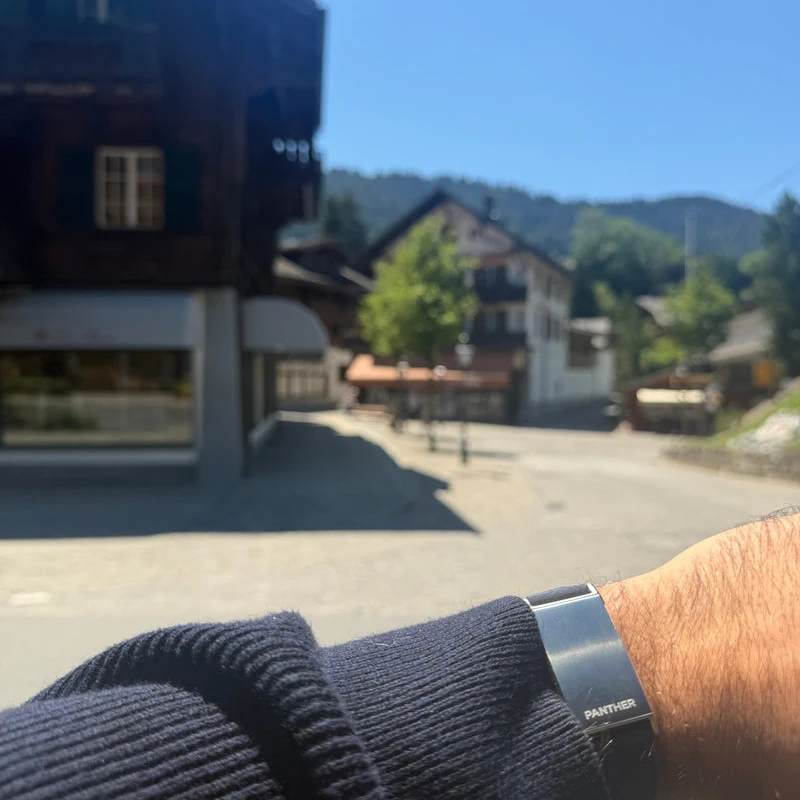
From concert halls in Vienna to remote research colonies in Antarctica, owners are wearing the Eclipse everywhere – and sending their frames.
What You're Actually Buying: $299, Once
So, the verdict.
The Eclipse is not the tracker with the longest feature list, and it is not trying to be. It is the one that finally gets the things that matter right at the same time. It looks like something you would wear on purpose, on the wrist opposite a watch you love. It runs two weeks on a charge. It tracks what you actually use and stays silent the rest of the time. And it never bills you again for access to your own body.
- $299, once. You own it. No membership, ever.
- Choose a face and a band. Twelve strap options.
- 1-year warranty. Craftsmanship that stands behind itself.
- 30-day returns. Wear it for a month and decide.
You can keep doing what you have been doing. Keep the band on your bicep. Keep renting your data by the month and hoping the company honors the promise it made you. Plenty of good people still are.
Or you can put one honest object on your wrist, own it outright, and stop thinking about it.